Understanding Your Check Engine Light: Common Codes, Symptoms, and Action Plan for Car Care
- Bassem Rizkalla

- Oct 27, 2025
- 4 min read
The “Check Engine” light can feel like a red flag, one that suddenly appears and catches drivers off-guard. It’s a signal that something needs your attention, but what does it really mean? Knowing what triggers this light, the common codes associated with it, and the symptoms to look out for can help you respond proactively. This post will break down the frequent causes of the “Check Engine” light, how diagnostics work, and offer a straightforward action plan for your next mechanic visit.

Common Causes of the “Check Engine” Light
Loose Gas Cap
A loose or damaged gas cap is one of the simplest causes of the “Check Engine” light illuminating. This issue can allow fuel vapors to escape, leading to increased emissions. According to the U.S. Department of Energy, a loose gas cap can cause a 1-2% drop in fuel economy. If the light is on, check your gas cap first: simply tightening it may switch the light off after a few drives.
Oxygen Sensor Issues
The oxygen sensor is responsible for measuring unburned oxygen in your vehicle's exhaust. A faulty sensor can reduce fuel efficiency by as much as 40%. Common symptoms include a rough idle and poor acceleration. Replacing an oxygen sensor generally costs between $100 and $300, and getting it replaced can improve your car’s gas mileage significantly.
Engine Misfire
An engine misfire happens when one or more cylinders do not ignite as they should. This can stem from bad spark plugs or fuel injectors, among other factors. Drivers may notice a rough-running engine and a drop in power. Repairing engine misfires varies widely in cost — typically $150 to $1,000. For example, replacing spark plugs might be on the lower end of the scale, while dealing with a failed ignition coil could push costs to the higher end.
EVAP Leaks
The Evaporative Emission Control System (EVAP) is designed to keep fuel vapors contained. If a leak occurs, it can trigger the “Check Engine” light. Signs of an EVAP leak may include a strong fuel smell or decreased fuel economy. Repair costs generally range from $200 to $600, depending on the complexity of the leak.
Symptoms to Watch For
When your “Check Engine” light comes on, pay close attention to these symptoms that could indicate a deeper issue:
Rough Idling: If the engine shakes or vibrates while idling, this may signal a misfire or other issues needing attention.
Decreased Fuel Efficiency: A noticeable drop in miles per gallon can indicate trouble, often linked to the fuel system or oxygen sensor.
Strange Noises: Unusual sounds from the engine, such as knocking or pinging, often indicate serious concerns warranting immediate action.
Loss of Power: If your vehicle struggles to speed up or maintain a constant rate, it is crucial to have it examined as soon as possible.
Safe to Drive vs. Immediate Attention
Not all situations involving the “Check Engine” light require immediate attention. Here’s how to discern whether it’s safe to continue driving:
Safe to Drive: If the light is steady and there are no accompanying severe symptoms, you might be okay to keep driving short distances. However, watch your vehicle’s behavior closely.
Need Immediate Attention: If the light is flashing or you experience significant issues like loss of power or unusual sounds, pull over and seek assistance immediately.
How Professional Diagnostics Work
When faced with a “Check Engine” light, professional diagnosis is the next step. Mechanics use various tools and techniques to pinpoint the issue:
Scan Tools
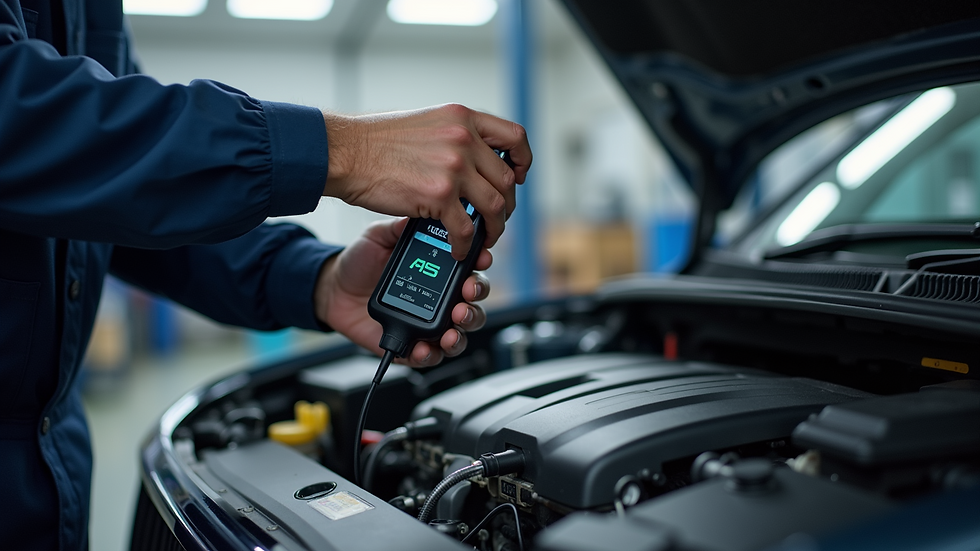
Mechanics utilize scan tools to read the trouble codes stored in your car's computer. Each code points to specific problems, giving the technician a starting point for diagnosis.
Live Data
Beyond just reading error codes, mechanics analyze live data from different car sensors. This real-time information can reveal how the engine is performing during driving conditions, providing clearer insights into the issue.
Smoke Tests
To identify issues like EVAP leaks, a mechanic may perform smoke tests. By introducing smoke into the system, they can clearly see where leaks may be present.

Cost and Repair Ranges for Typical Fixes
Understanding potential repair costs can help you prepare financially. Below are estimated costs for common repairs related to the “Check Engine” light:
Loose Gas Cap: $0 (just tighten it!)
Oxygen Sensor Replacement: $100 - $300
Engine Misfire Repair: $150 - $1,000
EVAP Leak Repair: $200 - $600
These costs can vary based on your vehicle's make, model, and local labor rates. Always get a detailed estimate before proceeding with repairs.
Action Plan for Accurate, No-Guesswork Service
When the “Check Engine” light triggers, follow these steps to ensure proper diagnosis and repair:
Check for Simple Issues: Start by inspecting your gas cap and look for obvious trouble signs.
Monitor Symptoms: Jot down any additional symptoms you observe.
Book a Diagnostic Appointment: If the light stays on or if you notice concerning symptoms, set up an appointment with a trusted mechanic.
Communicate Clearly: Explain any symptoms and mention the “Check Engine” light when you arrive at the shop.
Ask Questions: Don’t hesitate to inquire about the diagnostic process and what the estimated repair costs will be.
Following this action plan can help you ensure effective and efficient vehicle service without unnecessary delays.
Final Thoughts
The “Check Engine” light can be alarming, but knowledge is your best ally. Understanding its common causes, symptoms, and the diagnostic process empowers you to take informed action. Whether it’s a simple issue like a loose gas cap or something more complex, staying informed helps you make smart decisions for your vehicle’s wellbeing. Keep watch over your car’s performance and don’t shy away from seeking professional help when necessary. With the right approach, you can maintain your vehicle’s smooth and safe operation on the road.



Comments