Mastering Your Car Maintenance Schedule: Essential Tips for Every Driver
- Bassem Rizkalla

- Oct 27, 2025
- 4 min read
Maintaining your vehicle is vital for its longevity and performance. A well-planned car maintenance schedule can save you not just money, but also time and stress in the long run. When you stay on top of your vehicle's needs, you enhance its reliability and longevity, ensuring safe and efficient journeys. This guide will provide you with clear strategies for when to change essential components like oil, filters, spark plugs, belts, and brakes. We will also cover warning signs to look out for, tips for driving in hot weather, advice for long trips, and the special needs of hybrid and electric cars. By the end of this post, you'll feel confident planning your service and booking with 909 Car Care Center.

Understanding Your Vehicle's Maintenance Needs
Every vehicle has specific maintenance requirements based on its make, model, and age. Knowing these details is the first step in creating an effective maintenance schedule. Most manufacturers provide a schedule in the owner's manual, detailing when to perform services.
Regular maintenance keeps your car running smoothly and helps dodge costly repairs in the future. For example, skipping oil changes can lead to engine wear and tear, costing hundreds or even thousands to fix. By sticking to a maintenance schedule, you ensure a safer, more reliable vehicle for your daily journeys.
Oil Changes: The Lifeblood of Your Engine
Changing your oil is a crucial maintenance task. Oil not only lubricates the engine but also helps reduce friction and keeps it cool. Over time, oil breaks down and loses its effectiveness, leading to potential engine damage.
When to Change Your Oil
Mileage: Change conventional oil every 5,000 to 7,500 miles; for synthetic oil, every 7,500 to 10,000 miles.
Months: Regardless of mileage, change the oil every 6 months.
Warning Signs
Look for these signs to know when your oil needs changing:
Dark, gritty oil on the dipstick.
Unusual engine noise or knocking sounds.
The oil warning light glowing on the dashboard.
Air and Cabin Filters: Breathe Easy
Air filters keep dirt and debris out of the engine, while cabin filters ensure the air inside your vehicle is clean and free from pollutants.
When to Change Filters
Air Filter: Every 15,000 to 30,000 miles or every 12 months.
Cabin Filter: Every 15,000 to 25,000 miles or every 12 months.
Warning Signs
Watch for these signs that it’s time to replace your filters:
Decreased engine performance with potential impacts on fuel efficiency of up to 10%.
Unpleasant odors inside the cabin.
Reduced airflow from the heating or air conditioning system.
Spark Plugs: Igniting Performance
Spark plugs play a key role in starting your engine and maintaining efficiency. Worn or faulty spark plugs can lead to poor fuel economy—up to a 30% drop in efficiency—and engine misfires.
When to Change Spark Plugs
Mileage: Every 30,000 to 100,000 miles, depending on the spark plug type.
Months: Inspect them during regular maintenance intervals.
Warning Signs
Look out for these indicators that spark plugs may need replacement:
Difficulty starting the engine.
Noticeable power loss while driving or poor acceleration.
Engine misfires or rough idling.
Belts: Keeping Everything in Sync
Belts, such as serpentine belts and timing belts, are vital for the operation of various engine components. A worn belt can lead to significant engine damage.
When to Change Belts
Serpentine Belt: Replace every 60,000 to 100,000 miles.
Timing Belt: Inspect and likely replace every 60,000 to 100,000 miles, depending on the vehicle.
Warning Signs
Be aware of these signs when belts may require attention:
Squeaking or squealing sounds from the engine.
Visible cracks or fraying on the belt.
Engine overheating, which may indicate timing belt issues.
Brake Components: Stopping Power
Brakes are crucial for your safety. Regular maintenance of brake components is essential for secure driving.
When to Change Brake Components
Brake Pads: Change every 30,000 to 70,000 miles, influenced by driving habits.
Brake Fluid: Replace every 2 years or as the manufacturer recommends.
Warning Signs
Pay attention to these warning signs:
Squeaking or grinding noises while braking.
Vibration or pulsation in the brake pedal.
Warning light on the dashboard.
Tips for Hot Weather Driving
Hot weather can strain your vehicle. Here are ways to keep your car performing well during these months:
Check Coolant Levels: Ensure your engine coolant is at the appropriate level to prevent overheating, which can damage the engine.
Inspect Tires: With temperatures rising, tire pressure can increase, leading to blowouts. Check your tire pressure weekly during hot months.
Use Sunshades: Protect the interior from UV damage and help keep the cabin cooler by using sunshades.
Preparing for Long Trips
Planning for a long road trip? Before you head out, conduct these essential checks:
Fluid Levels: Inspect oil, coolant, brake fluid, and windshield washer fluid to ensure everything is topped off.
Tire Condition: Check for wear and ensure tires are properly inflated, as under-inflated tires can decrease fuel efficiency by up to 3%.
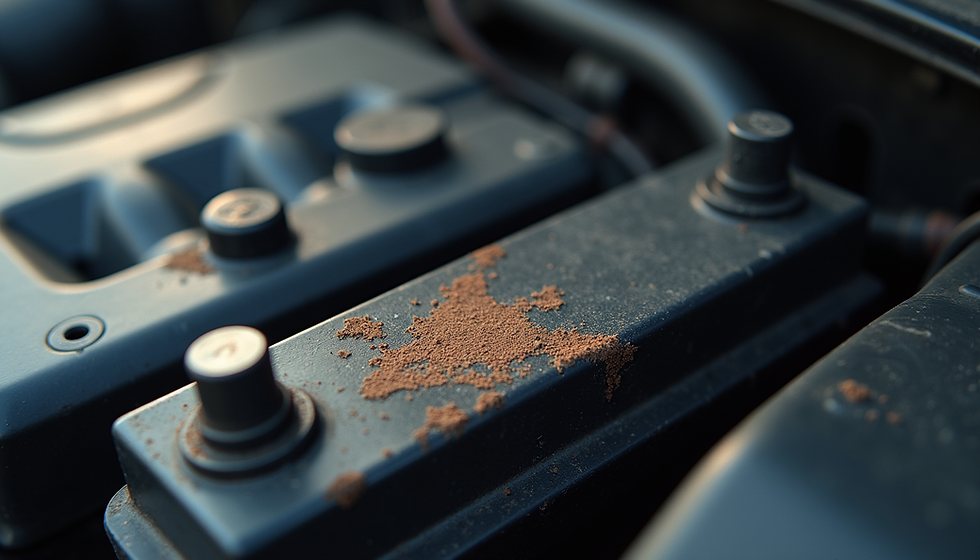
Battery Health: Look for any corrosion on battery terminals and check that it holds a charge well.
Hybrid and Electric Cars: Special Considerations
Hybrid and electric vehicles require some different maintenance compared to traditional gasoline cars. Here’s what to keep in mind:
Battery Maintenance: Regularly check the battery health and charging system since the battery is a significant component in these cars.
Brake System: The regenerative braking systems found in hybrids and electric vehicles may reduce brake pad wear, meaning less frequent replacements.
Cooling Systems: Ensure the cooling system for the battery is functioning properly to avoid overheating.
Final Thoughts
Establishing a smart car maintenance schedule is key for every driver. By carefully managing oil changes, filter replacements, spark plug checks, belt inspections, and brake maintenance, you will keep your vehicle operating safely and efficiently. Stay alert for warning signs and perform regular checks, especially in hot weather or before embarking on long trips.
No matter what type of vehicle you drive—traditional gasoline, hybrid, or electric—staying on top of maintenance can help you avoid expensive repairs and ensure a dependable driving experience. For further guidance and expert service in planning your maintenance schedule, consider booking with 909 Car Care Center.

By following these recommendations, you'll effectively master your car maintenance schedule and enjoy peace of mind knowing that your vehicle is in excellent condition. Happy driving!


Comments